Wardogs in 2026 Is a Completely Different Game Thanks to Season 2 Rain
Need articles like this for your video? They help promote it on YouTube and Google — order them in the Telegram bot @sat_sit_bot. Articles with your video embedded are written and posted by the bot itself — on popular topical sites (no ads). Try it free: 50 articles on us.
· based on the channel shroud
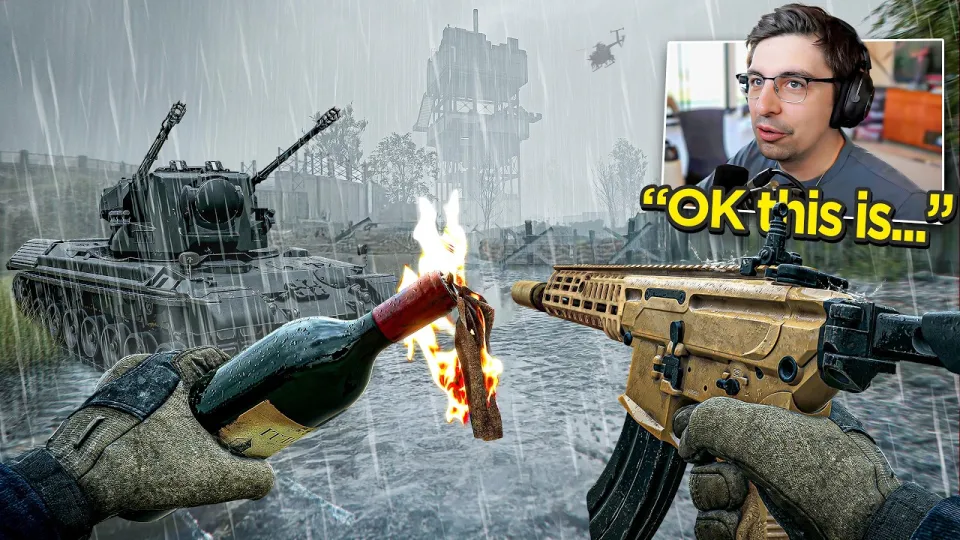
Wardogs is a completely different game now because Season 2 added heavy rain as a full weather system, and that single change rewrites how every fight plays out. Visibility drops, long-range sniping loses value, and close-quarters pushes into buildings become the default. In the Wardogs Season 2 companion audio on Spotify you can hear the squad's full session while reading how the new conditions actually work.
What the Wardogs Season 2 rain actually changes
The rain is not a cosmetic overlay; it is a tactical condition that shortens every engagement. Players report that even around 190 meters the target becomes hard to see, which effectively removes the long sightlines that dominated earlier versions of the map. Squads that previously held bridges and open ground now get pushed into towers, stairwells and interiors where the fight is decided by who clears corners first. The weather also affects vehicles, with rain streaking across helicopter windshields and adding another layer of visual noise during rotations.
How to adapt your loadout to rainy Wardogs matches
Adapting to rain means trading precision for volume of fire and information. A practical checklist for the new conditions:
- Prioritize infrared or thermal optics, since they cut through reduced visibility and are widely expected to become the strongest sighting tool in rain.
- Keep a close-range weapon with high fire rate for indoor clears; long scopes are close to dead weight in open rain.
- Carry health-point (HP) ammunition for any armored target, because standard rounds simply do not punch through plates efficiently.
- Plan rotations around covered routes and buildings rather than open fields and bridges.
- Use sound more than sight; rain masks footsteps and gunfire direction, so callouts from teammates become the primary sensor.
The rain also opens the game up for different player types. A squad that cannot rely on one crack sniper has to spread responsibilities, and slower, more methodical players gain value because the fight is now about positioning and patience instead of flick shots.
Aiming for the legs and why HP ammo decides fights
Against armored opponents the legs are the weak point, and a weapon without HP rounds turns that into a long, losing exchange. In practice, a player told to shoot legs will often keep putting rounds into the torso and helmet, then blame the gun when the target survives. The fix is mechanical: confirm your ammo type before the fight, aim low on armored targets, and treat the head as a secondary target only after the plates are broken. Submachine guns like the PP-19 become far more dangerous once the correct ammunition is loaded, and the same weapon feels useless with the wrong rounds.
Squad size and coordination in Wardogs lobbies
A six-player group fighting a lobby of roughly 20 opponents is not an even trade, and the difference is coordination rather than individual skill. Squads that share one voice channel and call out contacts, doors and rotations consistently outperform larger groups of strangers who never speak. The rain amplifies this gap: when nobody can see far, the team that talks wins the information war. Base building matters too, since a well-placed fortified position in a tower or compound can absorb repeated raids and force attackers into the same close-range fights the weather already favors.
Common mistakes players make in the new weather
Most deaths in rain come from habits built in clear conditions. Players push a building they were just shot from without clearing it, open their inventory mid-fall to repack magazines, and then blame the game when the same opponent finishes them. Others keep holding long angles that no longer exist and burn their whole magazine at a silhouette in the fog. The reliable pattern is slower: identify the threat, clear the entrance, reload behind cover, and only then move. Recoil control matters less in rain than decision-making, because most engagements now happen inside 50 meters where the first clean burst decides the outcome.
Where to find shroud's Wardogs content and gear links
All the official links from the session are collected here:
The verdict on Wardogs after the rain update
Rain has done what a balance patch rarely manages: it changed the map without moving a single building. Sniping is gutted, thermal optics are king, and squads now fight room by room instead of trading shots across open ground. The players who adapt their loadouts, load HP ammo and talk constantly will thrive, while anyone still holding a long angle in the fog will keep dying to the same mistake. For a full look at how the update plays in real matches, the breakdown from the channel shroud shows the new weather in action. If you want the companion audio for your own sessions, the Spotify show is the place to start.
Key takeaways
- Wardogs Season 2 introduced heavy rain as a new dynamic weather condition that changes visibility across the map.
- Rain reduces effective sightlines to roughly 190 meters in some areas, weakening sniping and boosting close-range and indoor fights.
- Infrared goggles are expected to become significantly stronger during rain because thermal detection cuts through poor visibility.
- Health-point (HP) ammo is the counter to armored targets, and aiming for the legs is the standard tactic when a weapon lacks it.
- Shroud's squad plays as a six-player group against lobbies of around 20 players, so coordinated callouts matter more than raw aim.
Questions & answers
Does the rain in Wardogs Season 2 make sniping useless?
It does not remove sniping entirely, but it heavily reduces its value. Players report that targets become difficult to see even at around 190 meters, so long-range holds are far less reliable. Most fights now resolve inside buildings or at close range, where fire rate and positioning matter more than scope magnification.
Why does shooting the legs matter in Wardogs?
Armored opponents absorb torso and helmet hits, so the legs are the reliable damage route when your weapon lacks health-point ammunition. The common failure is being told to aim low and still firing at the chest, which makes a perfectly good gun feel weak. Check your ammo type and commit to aiming low.
Will infrared goggles be stronger in the rain?
Yes, thermal and infrared optics are expected to become much more valuable because they cut through the reduced visibility that rain creates. When normal sightlines collapse, being the player who can still detect targets at distance is a major advantage. Load one before you commit to an open rotation.
Is a six-player squad at a disadvantage against a 20-player lobby?
Numbers alone favor the larger group, but coordination flips the math. A six-player squad in one voice channel with constant callouts can outfight scattered opponents who never communicate, especially in rain where sound and information decide fights. Base building and covered positions let a small team hold against repeated raids.
Source: Wardogs Is a Completely Different Game Now... · Markdown version